
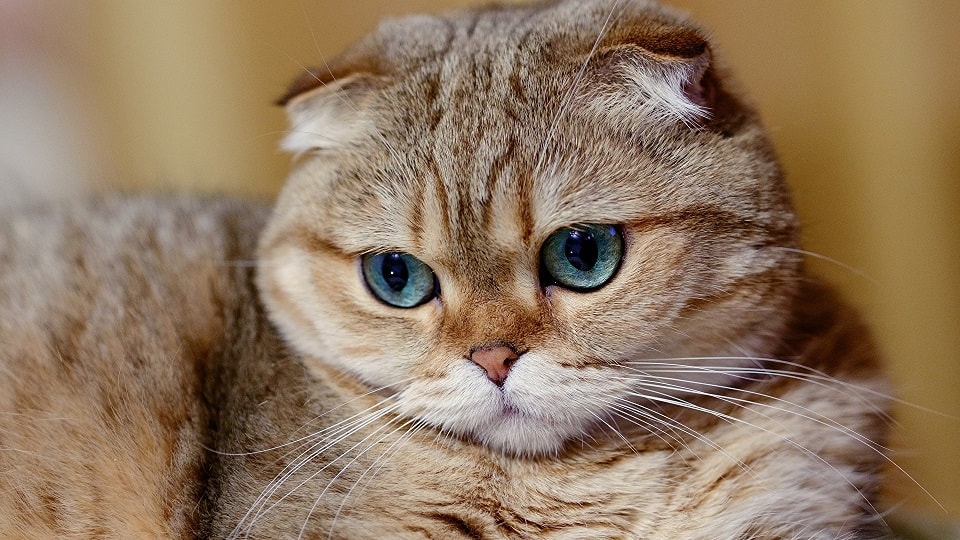
 Do you have a kitty that has a foul odor and you can't tell exactly where it's coming from? Here are the most likely culprits.
The Rear End Cats can become stinky when something isn't right with their rear ends. This can include:
Many of these conditions will result in your cat licking or trying to lick at the rear end a lot. If you're noticing a foul odor, try to get a look under the tail to see if something obvious lurks there. You might notice swelling, oozing, redness, diarrhea, or irritation of the skin around the rectum. The Mouth The mouth is a big source of foul odors. These can include:
If you're noticing that your cat's breath is bad or that he is rubbing her mouth often with a paw or along furniture or carpet, there might be a mouth problem. You may or may not be able to get a look in the mouth, but if you do, you're looking for red gums, significant brown or white coating on the teeth, unusual masses anywhere in the mouth, and excessive saliva. Additionally, a cat with foul odor in the mouth spreads that all around the fur while grooming, so it can quickly become an all-over scent that is harder to track down. The Skin or Fur If a cat rolls in something yucky, especially the case for outdoor cats, they can come inside stinky. They will also smell bad if they get sprayed by a skunk. Additionally, skin problems that result in infection cause a bad odor. If the skin is moist, oozing, has raised red bumps, or there are patches of hair loss, this might be the problem. The Ears Ear infections can cause a bad odor. While this is more common in dogs than cats, it can still occur and should be on the list of things you check if your cat suddenly smells bad. If the ears look red, have brown, red, or black discharge, appear read inside, or the cat is scratching or rubbing at them, they might be the source of the bad odor. The Urine This is mainly the case with intact male cats (those that have not been neutered). The urine of a male cat is extremely pungent, and not only can that smell be strong around the litter box, but it can also be on the kitty because he may walk through his litter, use his paws to bury the urine, or get some on his fur. Additionally, sometimes a cat with a urinary tract infection might have foul-smelling urine, but this is rarer. What to Do If Your Cat Stinks If you can narrow down the cause of the odor, it might only require a bath in cat shampoo. However, if you can't find the source of the foul smell or it's something that looks like a problem, such as diarrhea, an ear infection, or a skin wound, get to the vet for treatment right away.
3 Comments
 Changing diets abruptly can wreak havoc on a cat's digestive system and result in abdominal pain, vomiting, and diarrhea. In turn, that upset can disrupt the delicate gut flora balance, and then the kitty may end up with chronic GI problems. Sometimes you do have to change your cat's food. Perhaps your vet has recommended a new diet or you just want to switch for other reasons. Here are some tips for changing your cat's food while minimizing the risk of her developing GI upset.
At any step in the process, if your cat develops GI problems, go back to the previous step until things are back to normal and then increase more slowly from there. If your cat stops eating at any point, contact your veterinarian. Cats that stop eating suddenly are at risk for developing hepatic lipidosis, which is life-threatening. https://www.cathealth.com/tips/2576-how-to-change-your-cats-food
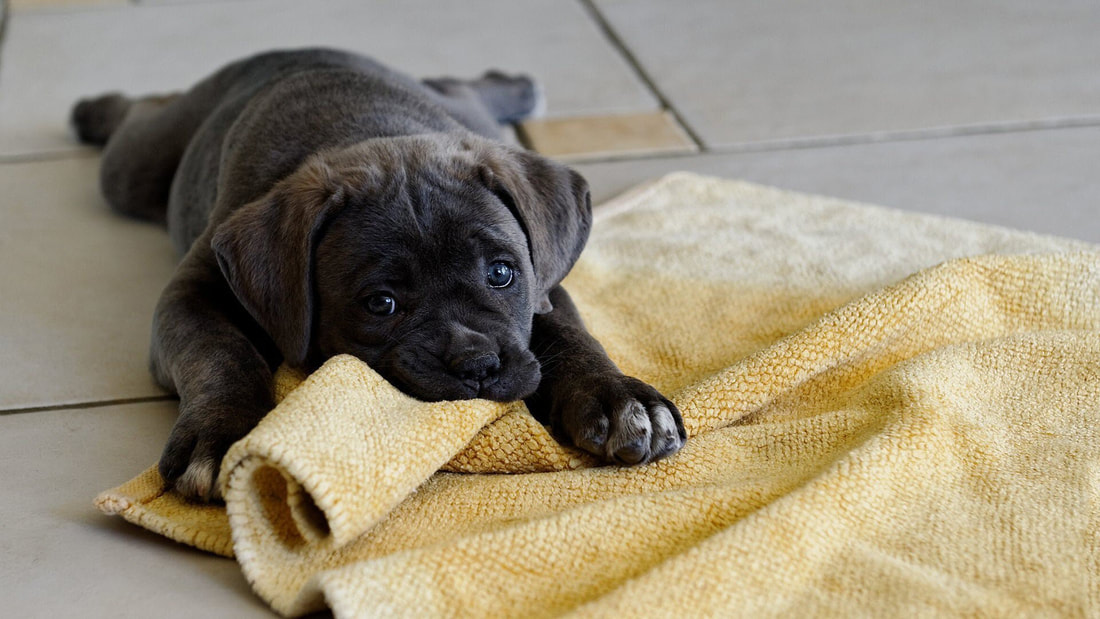 Learning how to stop your puppy from chewing can become a difficult chore that will leave you frustrated, especially when they get ahold of your favorite pair of shoes, or they are constantly chewing on you. If you want to stop your puppy from chewing, there are a few things that you need to understand about them before you just blame them for their behavior. To begin with, chewing is a natural part of being a puppy. Rather than trying to stop them from this natural behavior, you should work towards redirecting the problem to another source. Get them chew toys and a bone thatthey are allowed to gnaw on to their hearts content. It is much easier to redirect a problem than to try and stop it completely, especially when the problem is more of a human problem than a puppy one. Another thing to consider is that certain behaviors tend to instigate chewing, especially when they are chewing on you. This can lead to dog aggression problems later on, so you need to nip it in the bud now rather than putting it off. But, again, this is a human problem as much as a puppy problem. In order to stop your pupply from chewing on you, you need to pay attention to what you do that instigate it. Certain sudden movements, or aggressive behavior towards your puppy (even in play) will push them into chewing. Also, when you are playing, if they start chewing on you, stop the activity. Dogs can't distinguish between play time and not play time. Although they love to play, the habits that they will pick up then will transfer to other times. You should never allow your dog to play aggressively and chewing is one of the easiest bad habits to break. When they start chewing, redirect them to one of their play toys, and separate yourself from them. If the chewing problem persists, you may need to keep them in a kennel until they learn to behave. Crate training can take some time, but is very beneficial in stopping a wide variety of puppy problems, including them wanting to chew on you. Follow these tips to stop your puppy from chewing, and get them under control. It doesn't take much, but by paying attention to your behavior and redirecting their behavior to an appropriate toy will help you to get things under control. Pet Article courtesy of http://pet-articles.blogspot.com.
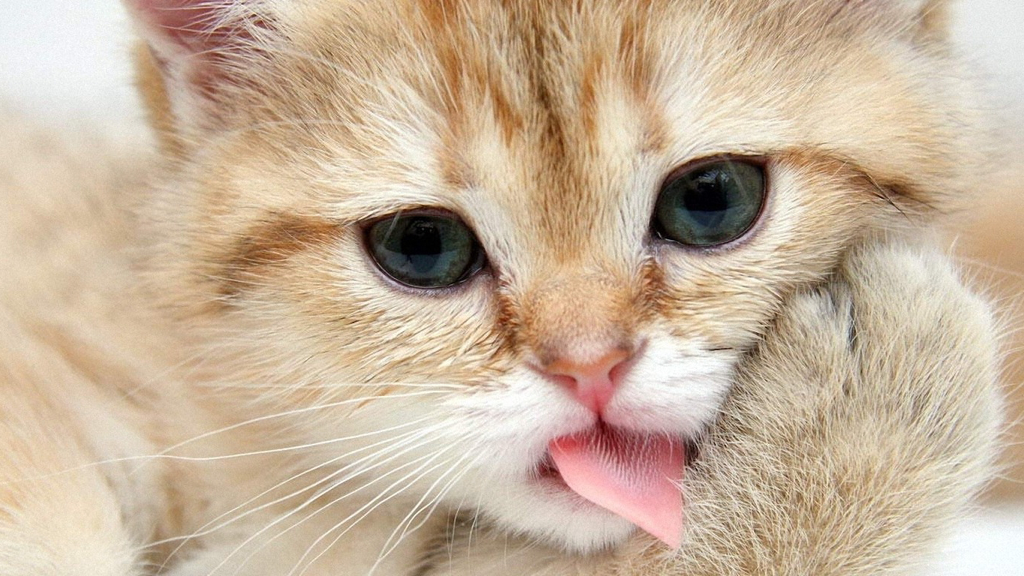 1. Brush Your Cat : Routine brushing for your cat with proper grooming tools is ideal in minimising hairball vomiting. With lesser loose fur on them means lesser swallowing of their own fur when they are licking and cleaning themselves. There will also be lesser fur flying around in your home. Pay extra attention to their coat when it’s shedding period. 2. Food Is Important: What they consume daily plays an important role in their hair and skin condition. Poor quality of food given to your cat can cause skin problem and fur loss. There are cat foods specially for hairballs control and prevention that may help. If you are unsure, seek advice from the vet on the appropriate diet for your cat. 3. Provide Plenty Of Water: With sufficient water consumption, your cat’s intestinal tract will stay hydrated and lubricated which allow hair to pass through smoothly. If you cat doesn’t like drinking water, offer some wet food instead to keep them hydrated. 4. Hairball Gels: To ease the problem of hairball vomiting, many pet industries offer different kind of cat products that you can get it off the shelves. All this products are made to help your cat to get rid of the hairball through their stools more easily rather than vomiting out. Consult qualified personnel on the suitable product for your cat. 5. More Activities For Your Cat: It is true that all cats love to groom themselves. But too much grooming is not good for them as they will swallow more fur that are caught by their tongue while cleaning. A good way is to have more entertainment and distraction for your cat so that he/she will keep their mind away from excessive grooming time and enjoy their time spent on other activities with you. Hairball vomiting is common in cats. But frequent vomiting may indicate other health problems such as inflamed bowel. Hairballs can also cause blockage in the intestines. We can’t prevent it from happening, but we can surely do our part to minimise it effectively! By Sylvester (The Precious Pets Care Services)
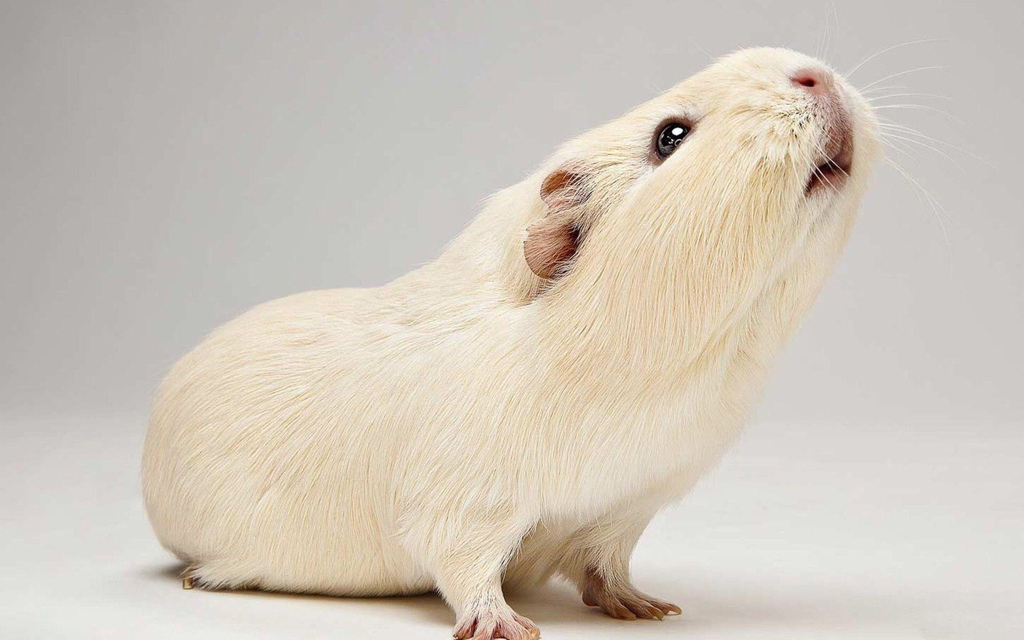 It is important to learn about your guinea pig behaviour in order to recognize its behavioural patterns, unusual behaviour, potential needs and moods that your guinea pig is trying to communicate to you. Following behavioural patterns represent majority of the individual guinea pig behaviours which indicate that your pet is functioning within normal operating parameters.
Also, please note: Guinea pigs are inquisitive and curious by nature. They are creatures of habit, so changes in routine like feeding, free-time etc, can cause some distress. It is recommended to introduce changes slowly. Guinea pig is most active at dawn and twilight. Running Away and Hiding From Being Picked Up Natural defence mechanism which needs to be respected and dealt with patiently. If following Guinea Pig Manual instructions, it does not need to be interpreted as a rejection of its owner. In time, there is a high probability that all guinea pigs will come to accept being picked up for cuddles and play time out of the cage. Begging for food When hungry or anticipating a treat, your pet will start weeking, and as its confidence grows, it will often stand up on its hind legs (like a dog). Guinea pig becomes very excited, and focus its eager eyes in the direction of the owner hoping that the owner notices his pet and its needs. “Popcorning” Guinea pig behaviour which exhibits hopping up in the air, running around, quickly turning in another direction and repeating the jump. This can be done repeatedly. Can be observed especially in young guinea pigs when they exhibit happiness, excitement or playfulness. Older cavies do not usually jump as high as the young ones (they are heavier), but also tend to popcorn. Running laps Running laps around the cage is a normal behavior for a guinea pig. It does not use exercise wheels, so it have to burn off its energy in other ways. Freezing When guinea pig sense danger, when it hears sudden sound that it is unfamiliar with, when it is startled or uncertain about something in its environment, it will freeze and stand motionless. It is a natural reaction which animal uses when it tries to make itself seem invisible and letting others in the group know that there could be imminent danger. Freezing is often accompanied by a very short vibrating sound, which also indicates fear. Sniffing By means of sniffing your guinea pig is learning about its surroundings and potential food sources. Owner may also notice that a guinea pig will occasionally sniff the air with their head stretched out, when it is being watchful and curious, wondering what’s going on and who is out there. Scent markings To mark items as its property and/or teritory, guinea pig will rub its chins, cheeks, and hind ends on those items. Your pet can also do this outside the cage, usually in the area in which it has regular free range time. Fidgeting (while being held) Can be a sign that your pet needs to go to the bathroom, or it is tired of being held. It is recommended that owner returns his guinea pig to the cage for a moment to recuperate its natural surroundings. Tossing Head Up in the Air When getting annoyed with being petted. Way of asking its owner to stop. It is recommended to abide those wishes. Licking (e.g., owners hand) Most popular interpretation is that licking is a sign of personal affection, but is not necesseraly so. Can also be interpreted by the animal’s affection towards the taste of salt on owners skin. In this case, we are granting freedom for individual interpretation. Teeth chattering You have probably done something outside the standard operational procedure and seriously angered your guinea pig. Clacking guinea pigs teeth together is considered as a behavioural pattern of anger. If it is directed at you, guinea pig is telling you to keep away, so try to respect its wishes or you could be in danger. Biting
Nibbling Way of communication, especially for young guinea pigs who are still learning and testing their limits. If you’ve been holding your guinea pig for a while, it may nibble your clothes as a way of communicating to you that it wants/needs to go back to the cage (usually to go to the toilet). Biting the Cage Bars Biting the Cage Bars can be triggered by several factors: When your pet thinks (or assumes) there is a food on the way When it is bored and demanding attention When living on its own, it will naturally become bored and lonely (even if the owner spends a lot of time with his pet). Consider acquiring another guinea pig for company. When it is living in a small cage and is not getting sufficient free range time. Consider providing a larger cage and increasing its free range time. Eating its own droppings Indeed, it is a normal process. Formal term for eating own droppings is Coprophagia. It is usually observable when a guinea pig ducks its head underneath followed by munching. The most probable reason for this action is the fact that its droppings represents a source of vitamins B and K, produced by bacteria in the guinea pigs gut. Depression Does your guinea pig seem depressed? When your guinea pig is hunched up in a corner, looking sad and depressed, something is probably bothering it. Try offering your guinea pig its favourite food. If it shows no interest, take your guinea pig to the vet immediately, because depression could be an indication to some more serious health problems. NOTE: Because of their natural instinct, guinea pigs can hide their illness. In the wild, it is a survival mechanism against predators picking out an easy target. Scratching Like all animals and humans, guinea pigs get the occasional urge to itch. If your pet is scratching excessively, check its skin to see if it is flaky, sore or if any bald patches have appeared. Sleeping Guinea pigs do not require sleeping for a long periods as they are not nocturnal animals like hamsters. They need to take small naps during the day and night. Usually, guinea pig will relax and rest its head on the ground, and some of them will be totally relaxed and spread out their hind legs. Stretching A guinea pig will stretch out while yawning at the same time. This is an enjoyable behavior to observe. Guinea pig is stretching and yawning just after a sleep or when it is feeling happy and relaxed. One may notice this behavior while holding and cuddling the pet for some time. Cleaning (grooming) itself This is a behavior one could not miss. Guinea pig stands on its hind legs and cleans itself with its front legs licking its fur. It does this when it is by itself, but when certain trust between the pet and its owner is established, it will clean itself by (or on top) its owner. Not closing its eyes Guinea pig often does not close its eyes (even when sleeping), unless it is feeling very relaxed (even then it is not very often). Also the result of a natural defense mechanisms and alertness. 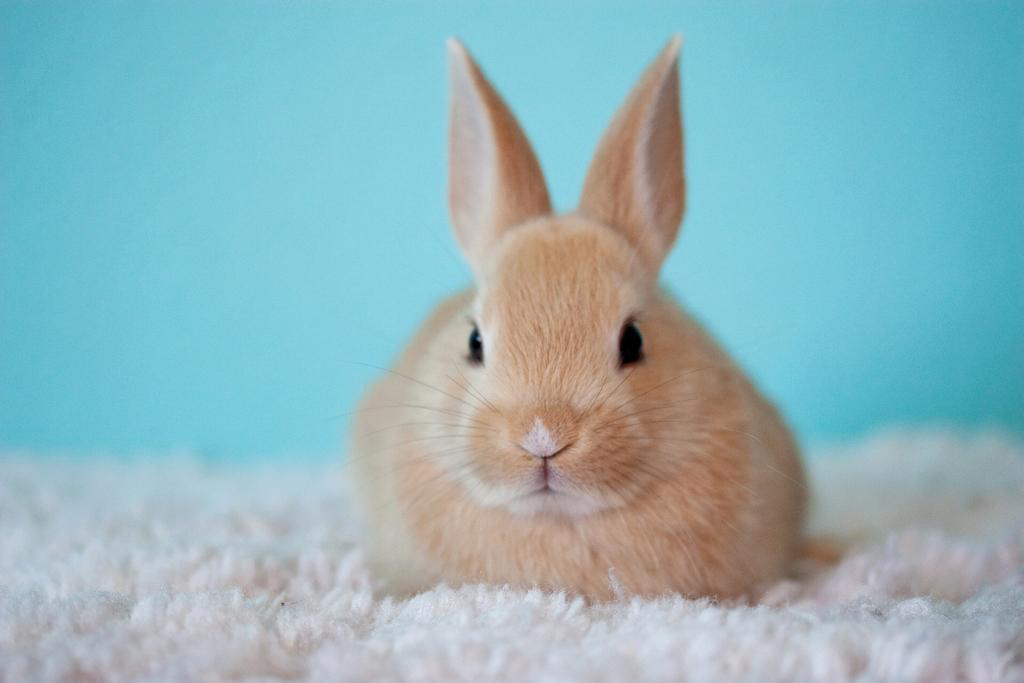 So why do they pee or poop like nobody’s business :) ? This is their way of marking territory. In order to stop this behaviour, you may consider spaying or neutering them. There are other benefits for this, rabbits can live longer and healthier as the risk of cancer and UTI(Urinary Tract Infections) are greatly reduced. Rabbits tend to become calmer and easier to manage after being spayed or neutered as well. Some spayed or neutered rabbits may continue to mark their territory with their poop outside their litter box, you shouldn’t get alarmed as it’s quite normal for them to do so. There are times they do it on purpose to show you who is the boss:) If your rabbit is already litter box trained from young and suddenly you notice he/she starts peeing out of the box, it could be a sign that he/she is unwell due to UTI, kidney or bladder stone etc. Bring them to the vet to examine immediately. Generally, rabbits are very fastidious animals. They are perfect indoor pets if you litter-box trained them correctly. Sometimes they may need professional grooming as their bottom gets stuck with poop and stained with pee. Mobile Rabbit Grooming Services is the best way to have them cleaned. By Sylvester (The Precious Pets Care Services)
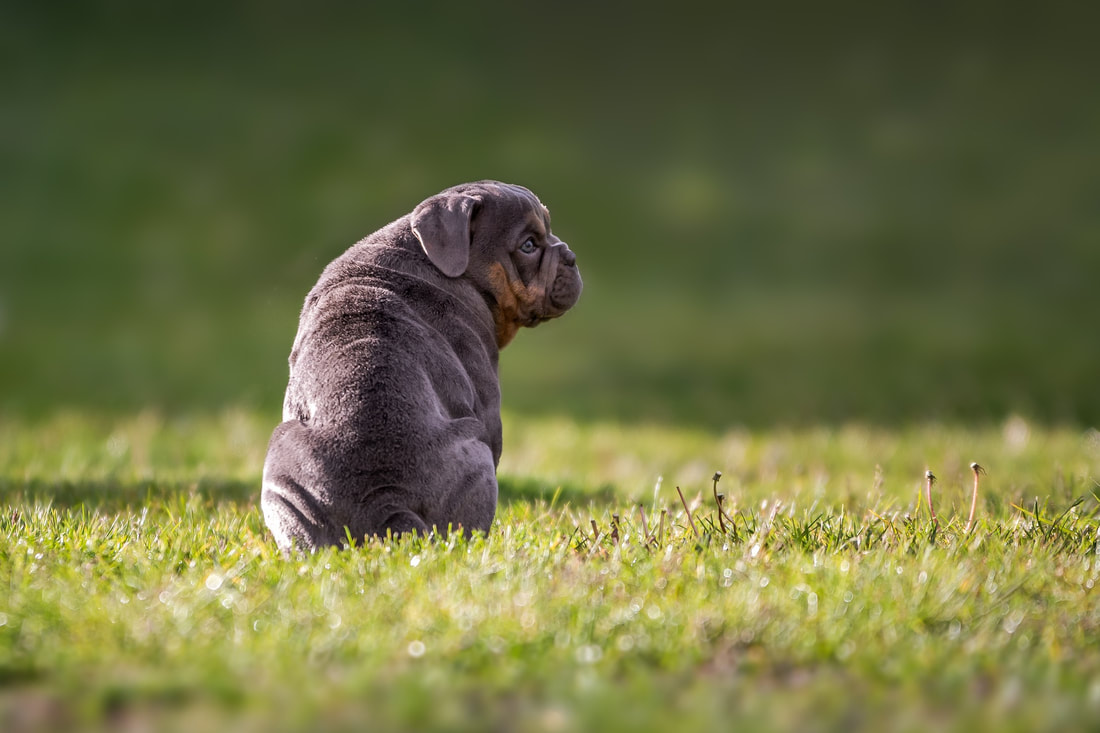 The most common reason dogs drag their bottom is inflamed anal gland. Anal glands are sacs located just below a dog’s tail that collect a fluid from the animal’s body. Historically, the excretion of bulky feces pressed against the anal sac during defecation and resulted in a natural squeezing out of the waste liquid during elimination. However with more complete absorption of modern pet foods and correspondingly smaller stools, the anal sac is often not pressed during bowel movements and so periodically needs assistance from humans to “express” or squeeze the over-full sac to remove this fluid. This is an especially putrid liquid so we recommend leaving this task to the groomer, or in severe cases, to your veterinarian. We do provide anal gland expression for free with our Mobile Dog Grooming Services. Other less common reasons are ringworm, fleas or food allergies that causes itchiness. Do look out for bleeding, swelling or lump at the anus area as well if your dog start scooting as it may indicate sometime more serious that require immediate attention. Annual check-up with the vet is a good way to keep them safe and healthy. Early recognition of problem can save your pets life, let’s prevent it rather than cure it! By Sylvester (The Precious Pets Care Services)
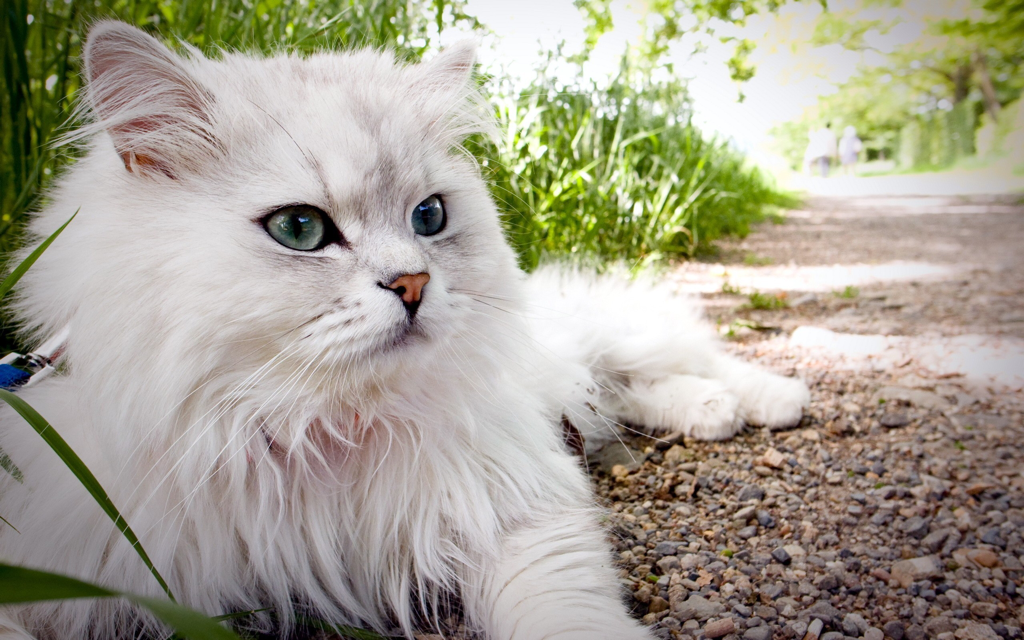 First of all, we need to understand that cats are just like us human, we lose hair everyday so do they. It is impossible to prevent them from shedding but is possible to manage and lessen the amount shedding on them. Generally, Cats are more likely to shed during warmer weathers and heavy shedding can be expected once to twice a year. Other common reasons that causes a cat to shed more can be due to lack of nutrition, under stress, effects of medication, nervous disorders, skin infection, allergies and parasites. For a healthy cat, we recommend brushing of their coat on a regular basis and De-shed when necessary to reduce shedding. With adequate proper brushing of their coat, you will experience less loss hair around your home. You know your cat the best! Bring them for a health checkup if you think that there could be other reasons for their fur loss. As a Pet Lover, we must learn to understand their needs. Give them a good brush when needed. Clip their nails when it’s too long. Clean their ears when it’s dirty etc. Engage a professional if you face difficulty doing it by yourself —-> Mobile Cat Grooming Services Show them our love and do our part in keeping them healthy and happy. They will live a long life! By Sylvester (The Precious Pets Care Services)
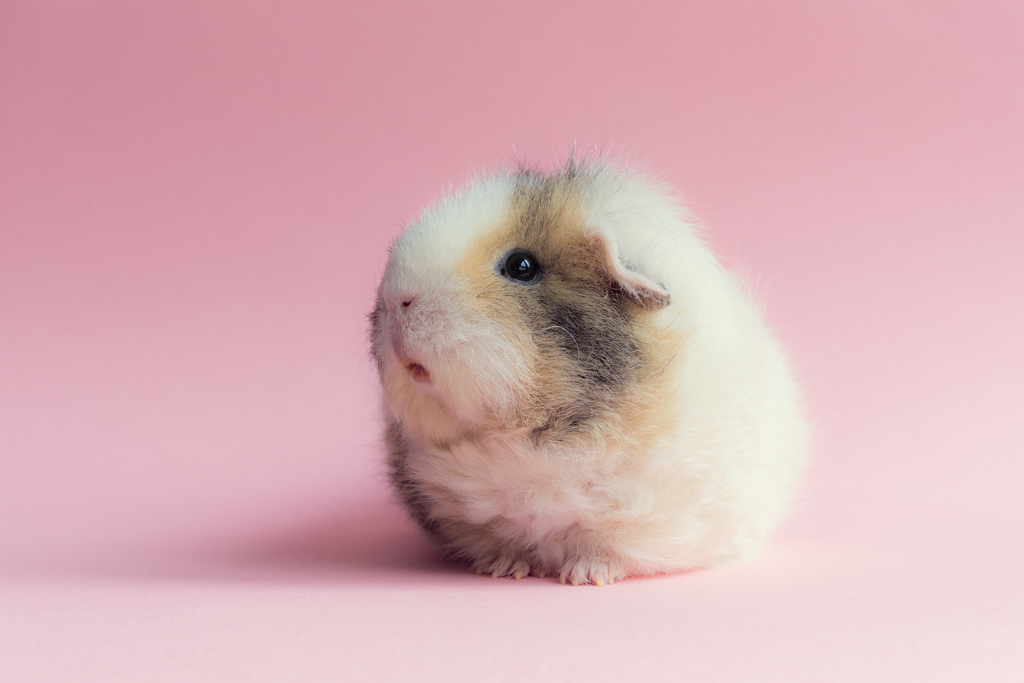 Guinea pigs, also called as cavies, are a domesticated species of rodent. They were originally native to South America. Their average lifespan is 4 to 8 years. They weigh about 700g to 1.2kg and length is approximately 20cm to 26cm. Guinea pigs diet include pellets, hays, fresh vegetables, vitamins and water. Generally, guinea pig is a gentle, docile, rodent.
Ask Yourself This Few Questions: 1. Am I acquiring a guinea pig on impulse? 2. Do I have sufficient time for one? 3. Can I afford to pay for their living and medical expenses for up to 8years? 4. Am I allergic to guinea pig? Having a pet is a Long-Term Commitment, do consider carefully before making the decision on one. By Sylvester (The Precious Pets Care Services)
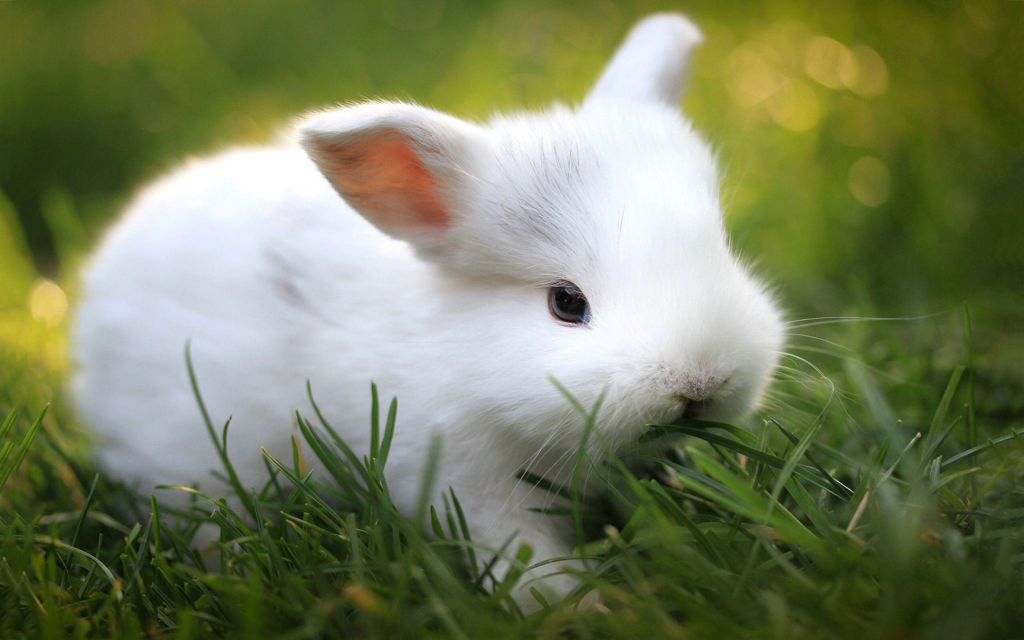 If you are already the owner of a rabbit or two, you know how fun and full of personality they can be. But it's hard to know what they are thinking or feeling since rabbits can be hard to read and have many different ways of expressing themselves. Here's some insight into the language of bunnies: Fish Flop ("Life is good"): When a rabbit dramatically gets into resting position by suddenly 'flopping' onto their side. If your bunny fish flops, it means that he is relaxed and ready to nap. Fish flops tend to look like a sudden and dramatic death, but there's no need to be concerned. Binky ("I'm excited about life!"): An energetic movement where a rabbit hops up in the air, kicks out his legs and perhaps a little twist. If your rabbit binkies, it means that he is happy, excited and probably has a lot of energy. Grunting ("Back off!" or "Leave me alone!"): Sometimes accompanied by a lunge or a thump, your bun is letting you know his disapproval of your actions. Honking ("Hey, baby"): Often accompanied with circling; it's part of the courting process. Circling ("Let's get married and have babies"): Simply put, this is courting behavior. Mounting ("Let's make those babies now" or "I'm in charge here!"): Depending on the situation, this is done for domination or simply because the mounter wants to mate. Teeth Clicking or Soft Teeth Grinding ("That feels good and makes me happy"): Typically done when being pet in a way that pleases your bunny. LOUD Teeth Grinding ("I'm in severe pain"): Something is very wrong; time to get bunny to your bunny vet immediately. Chinning ("MINE"): Kind of like a cat will rub its face on people or objects, this is your bunny's way of 'claiming' things...or you Back Kicking ("You're dead to me"): Flicking both back legs out as if kicking dirt onto you while hopping away. This is pretty much the equivalent of your bunny giving you the finger. Or kicking dirt at you. Licking ("I love and trust you" or "You're filthy, let me clean you"): Licking is either done out of affection or for grooming. Nose-nudging ("Pay attention to me" or "Get out of my way"): May be a request for pets or he wants you to get out of his way. Pulling out fur ("I must prepare a nest" or "Something is wrong"): Unaltered females do this when they go into heat. They pull fur from their dewlap (the extra fat under their chin, I call it a 'built-in pillow') when they are ready to start nesting for babies. Unaltered females will do this whether they are pregnant or not. To ensure your bunny has a long, healthy life, it is important to get them neutered or spayed. If your bunny is pulling fur out that is not for this purpose, take him to a rabbit savvy vet in your area. Nipping ("Pay attention to me NOW" or "Stop that"): This may be used as a warning, a demand for attention or sometimes during grooming. Spraying ("This is my territory"): Typically done by unaltered rabbits, or sometimes done when in a new environment, especially one with other pets. Thumping ("The British are coming!" or "Leave me alone"): One solid thump that may happen in intervals. This means that your bunny hears, smells or sees something that he feels is a threat, so he is letting everyone know there is a danger afoot. Or he may thump to show displeasure with you. Loafing ("I'm just resting, but can take off at a second's notice" or "I'm uncomfortable"): Your rabbit looks like a nicely rounded loaf of bread when sitting in this position. Ears Back: ("I'm not listening" or "I don't like that"): You should be able to tell if your rabbit is tense or relaxed when his ears are in this position. If he is on the offense and tense with ears back, give your rabbit some space to cool down. Ears Up ("I'm 100% listening"): Your bunny is alert and in-tune to whatever it is he is listening to. One ear back, one forward ("I'm may or may not be listening"): Your bunny is pretty much indifferent when his ears are in this position. Tail wagging ("You can't make me!" or "I'm going to attack!"): Typically signifies defiance and sometimes done right before a spray. This may also mean your rabbit is feeling aggressive or 'frisky'. Upright tail ("I'm excited!" or "Let's play!"): Your bun is happy/excited and ready to play! Lowering head ("Groom me"): The dominant rabbit will lower his or her head to another rabbit, demanding to be groomed. Sometimes this is a power struggle of both rabbits lowering their head to the other, wanting to be groomed/loved. This is also a sign of submission. Playing ("weeeee!"): Rabbits love to play by tossing objects around, chasing one another, or playing hide & seek. Lunging ("I feel threatened and must defend myself"): This sometimes happens when you are reaching into your bunny's living space, or doing something that makes him feel unsafe. One way to help ease your bunny's fears, is to put your hand on his head and talk gently to him as you do what you need to do in his space. Rabbits typically don't like their stuff moved or cleaned (they like their stuff to smell like them), so if you are cleaning or tidying bunny's living space and it upsets him, you can always put him in a different area while you do the necessary. Screaming ("I'm in agony" or "I'm terrified that my life is in danger"): This rabbit either needs to be taken to a vet right away (if in pain), or needs soothed with soft talking. He should also have a spot that makes him feel safe where he can hide. Territory droppings ("I must let the world know that this is my space"): When a bun leaves a few turds in a designated spot or all over, this is territory marking and typically stops with neutering/spaying. https://www.allthingsrabbit.com/bunny-language
|
The Precious pets“Some things just fill your heart without trying” Archives
October 2019
Categories |
 RSS Feed
Copyright © 2010-2023. All Rights Reserved. | The Precious Pets | +65 9697 3337 | Terms Of Service | support@thepreciouspets.com
He has made everything beautiful in it's time